




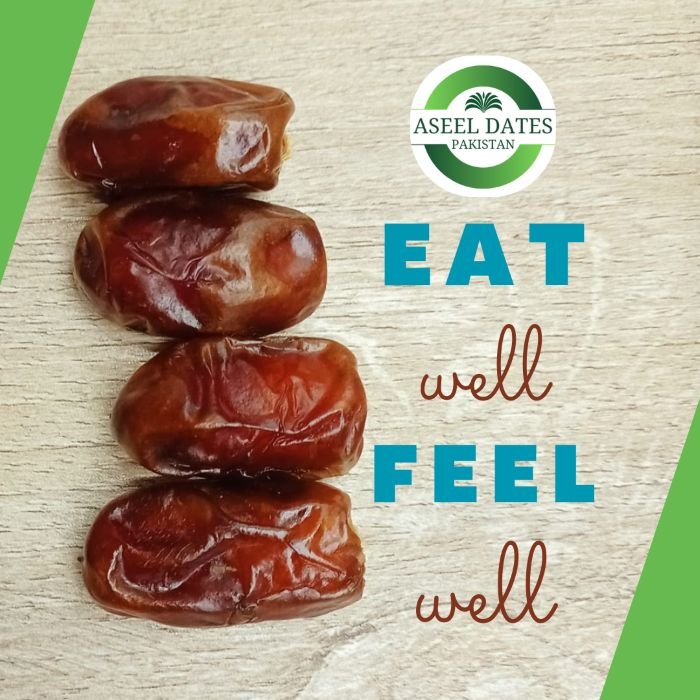
Learn the proven health benefits of eating dates. From boosting energy to supporting heart and bone health, discover why dates are an essential part of a healthy diet.
📚 Table of Contents
- Introduction
- Nutritional Profile of Dates
- Top 10 Health Benefits of Eating Dates
- Natural Energy Source
- Improves Digestive Health
- Rich in Antioxidants
- Supports Heart Health
- Strengthens Bones
- Boosts Brain Function
- Aids Blood Sugar Control
- Enhances Skin and Hair
- Eases Natural Labor
- Supports Weight Management
- Best Time to Eat Dates
- Daily Recommended Intake
- How to Include Dates in Your Diet
- Final Thoughts
Introduction
Dates (Khajoor), the sweet fruits of the date palm tree, have been consumed for centuries across the Middle East, South Asia, and North Africa. Known for their natural sweetness and numerous health benefits, dates are a rich source of vitamins, minerals, fiber, and energy. Whether eaten raw, dried, or processed into pastes or powders, dates offer a delicious and powerful addition to any diet.
Nutritional Profile of Dates
Here’s a quick glance at what 100 grams of dates offer:
| Nutrient | Amount |
|---|---|
| Calories | 277 kcal |
| Carbohydrates | 75 g |
| Fiber | 7 g |
| Protein | 2 g |
| Sugar (Natural) | 63 g |
| Potassium | 656 mg |
| Magnesium | 54 mg |
| Calcium | 64 mg |
| Iron | 0.9 mg |
Dates are cholesterol-free and contain zero trans fats, making them heart-friendly and ideal for all ages.
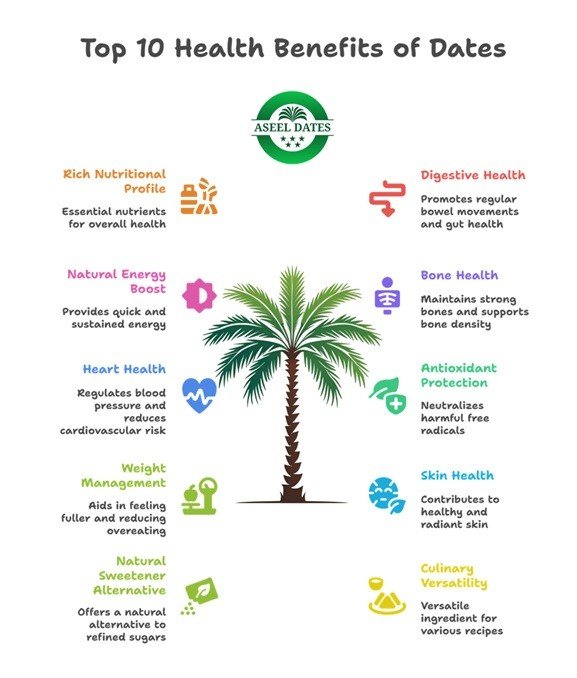
Top 10 Health Benefits of Eating Dates
1. Natural Energy Source
Dates are loaded with natural sugars—glucose, fructose, and sucrose—making them perfect for a quick energy boost.
2. Improves Digestive Health
High in dietary fiber, dates aid in digestion, prevent constipation, and promote a healthy gut.
3. Rich in Antioxidants
Antioxidants like flavonoids, carotenoids, and phenolic acid found in dates help protect against inflammation and oxidative stress.
4. Supports Heart Health
Potassium, magnesium, and antioxidants help regulate blood pressure and reduce cholesterol levels.
5. Strengthens Bones
Essential minerals like calcium, phosphorus, and magnesium contribute to bone density and prevent osteoporosis.
6. Boosts Brain Function
Dates may improve memory and reduce inflammation in the brain, potentially lowering the risk of Alzheimer’s disease.
7. Aids Blood Sugar Control
Despite being sweet, dates have a low glycemic index and may help regulate blood sugar when eaten in moderation.
8. Enhances Skin and Hair
Vitamin C and D in dates contribute to skin elasticity and healthy hair growth by supporting collagen production and iron absorption.
9. Eases Natural Labor
Research shows consuming dates in the last weeks of pregnancy can ease labor and promote cervical dilation.
10. Supports Weight Management
Dates curb hunger and provide lasting fullness, helping control appetite and reduce cravings for unhealthy snacks.
Best Time to Eat Dates
- Morning: A great way to break your fast, boost metabolism, and energize your day.
- Pre-workout: Ideal natural fuel before exercise.
- Evening snack: Helps reduce cravings for unhealthy sweets.
- During Ramadan or Fasting: Traditionally used to break fast due to quick energy release.
Daily Recommended Intake
For most people, 3 to 7 dates per day is a safe and healthy quantity. However, those with diabetes or special dietary needs should consult a healthcare provider for personalized guidance.
How to Include Dates in Your Diet
- Eat them as-is for a quick snack
- Stuff with nuts or almond butter
- Add chopped dates or diced dates to oatmeal, salads, or yogurt
- Use in smoothies, shakes, and baked goods
- Replace refined sugar with date paste or date powder in desserts
Final Thoughts
Dates are more than just a sweet treat—they’re a powerful natural food that supports your overall health. From boosting energy and brain function to enhancing digestion and heart health, the benefits of eating dates daily are backed by tradition and science. Make them a part of your daily wellness routine for natural vitality and lasting health.